Waiting Room Psychology at the Walk-In Clinic
Prognosis: Maybe
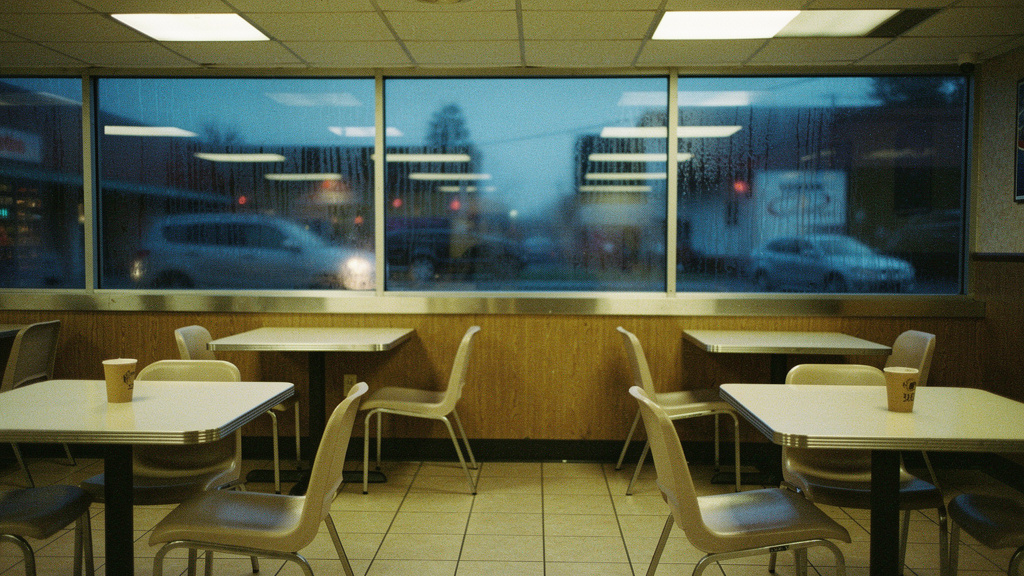
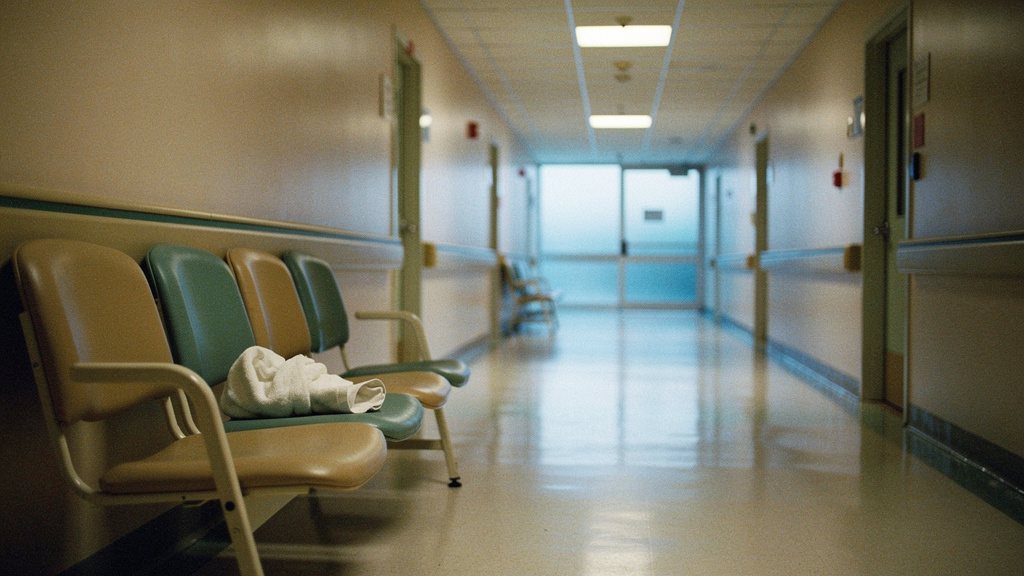
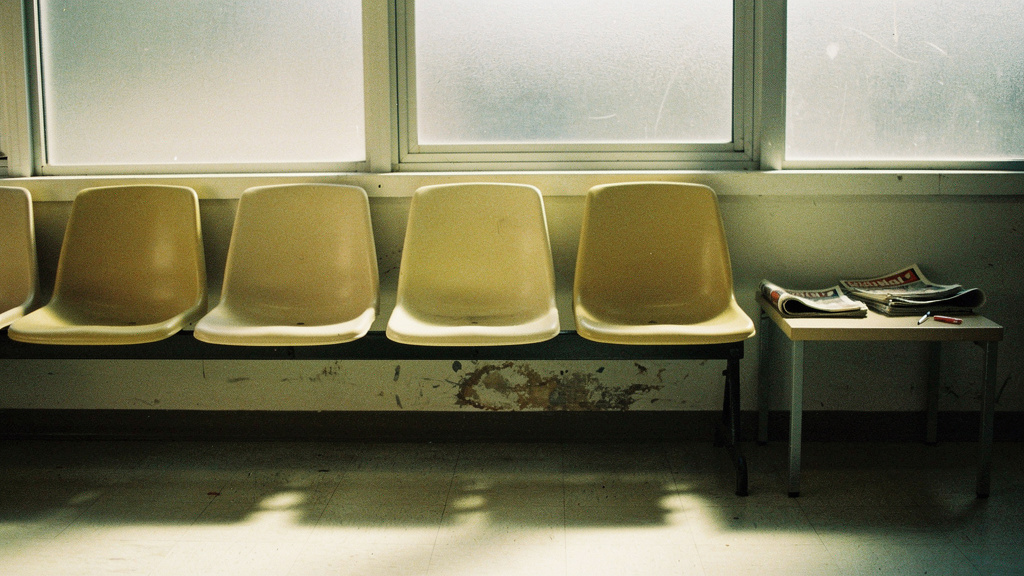
The walk-in clinic on Papineau has the particular despair of medical purgatory: we're all here because something's wrong but not wrong enough for emergency. You're filling out forms in French. I'm reading a year-old magazine in English. Between us, an old man coughs a lifetime of one last cigarette.
You ask to borrow my pen. I notice you check "célibataire" for marital status, hesitate, then scratch it out and write "c'est compliqué." The form doesn't have that option, but you've made it exist.
"They should all have that option," I say.
"Facebook gets it," you agree.
We discuss symptoms like poetry. Yours are metaphysical (chest pain that might be heart or might be heartbreak), mine are existential (dizziness that could be inner ear or could be the world tilting wrong). The old man between us nods like he understands.
Three hours pass. We've covered the cuts at the CBC, the best poutine in the city, whether medical waiting rooms are liminal spaces or just boring. You're called first. Before disappearing behind the door, you turn back.
"If we're both still sick next week..."
"We'll be here," I finish.
And maybe we will be. Maybe sickness is just another word for loneliness, and waiting rooms are where we go to heal or at least share the symptoms.